1941年に生まれた小野和則は、「場所・人・時間」をテーマに創作を続けている美術家です。1971年から1980年までイタリアのベルガモを中心に、個展などで多くの作品を発表しました。欧州ではスタンダードなパトロンからの支援を離れ、帰国後の1980年代初めからは岡山県を拠点に活動しています。1991年からは、愛車の 2台のPAJEROで日本各地を巡る「日本放浪の旅」を本格化させました。この旅は、地域の境界や住所といった枠組みに縛られることなく、先入観を持たない状態で現地を訪ねるもので、小野にとってライフワークと呼べる表現活動となっています。2008年からは岡山県新見市大佐に活動拠点としながら旅先での人々の営みや景色を題材に、精力的な活動を続けています。
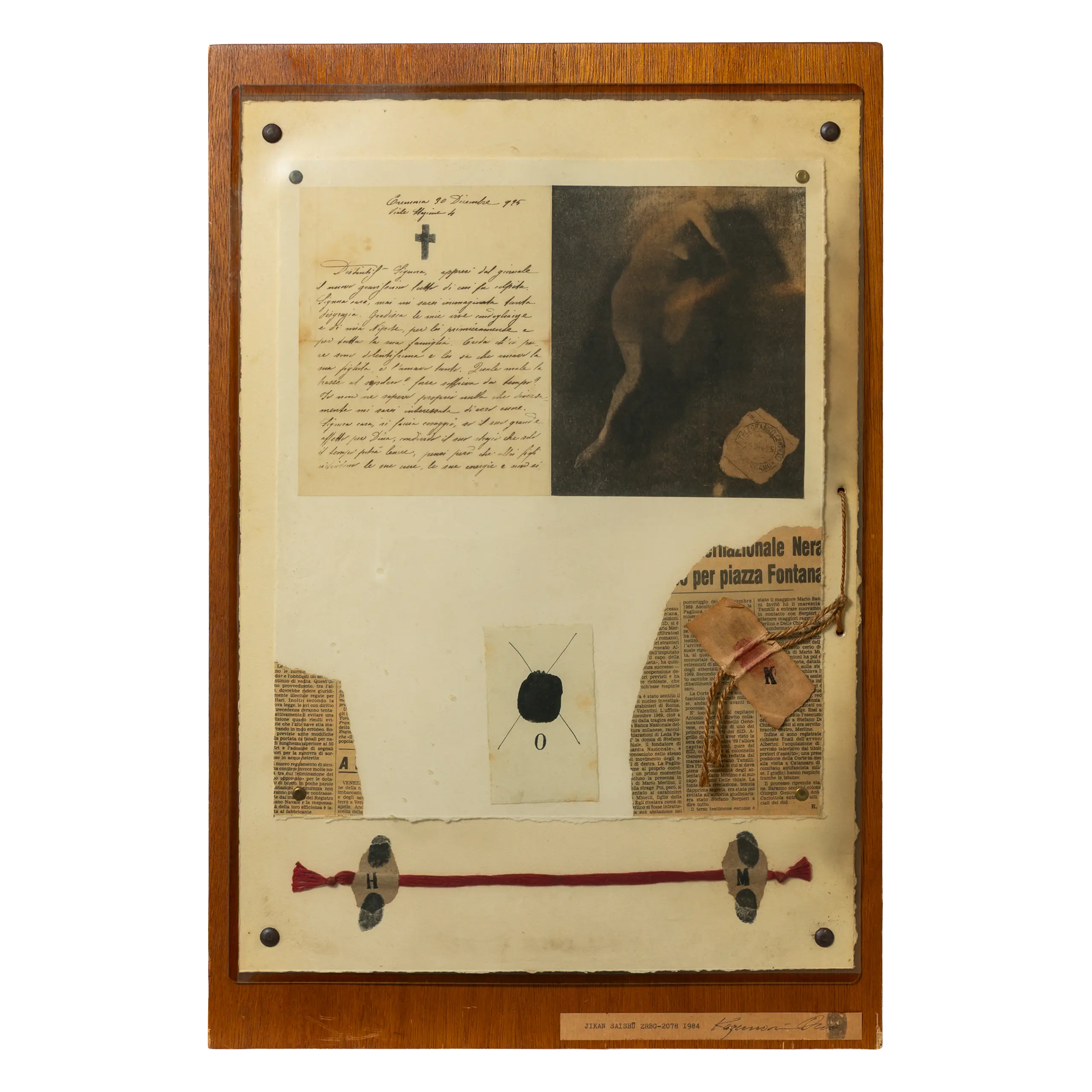
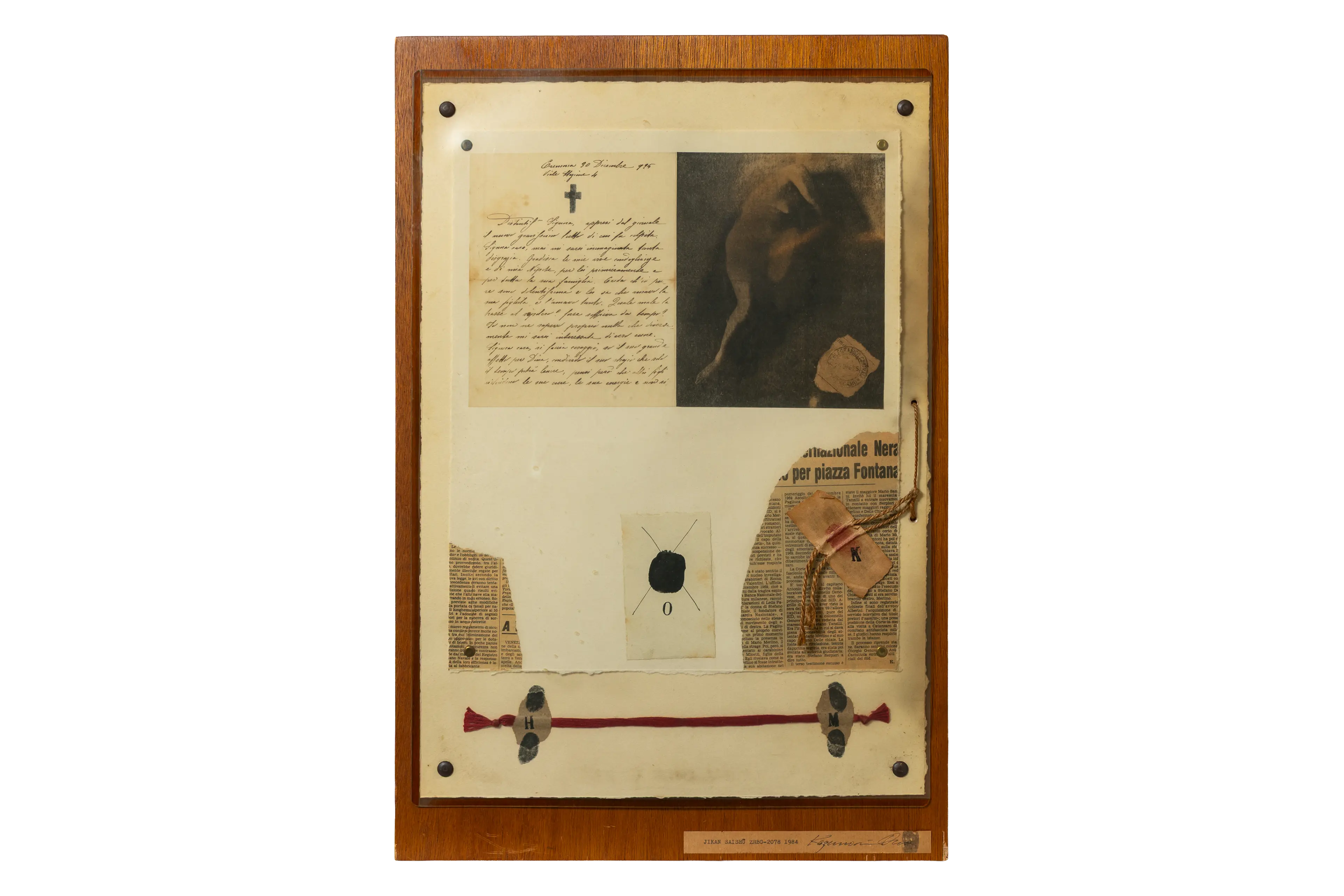
小野の創作は、実際にその場に身を置いて得た視点に基づいています。例えば、東日本大震災の被災地を巡り、現地の空気感に触れることで見えてきたモノ・コトを作品として形に残していきます。具体的な手法としては、身の回りにある人工物などの既製品を収集し、それらを作品に取り入れることで新たなイメージを創出します。代表作である「時間採集」シリーズでは、イタリア時代の自作や費やした歳月を標本として箱に封じ込めた、作家自身のアルバムのような作品だといえます。
Born in 1941, Kazunori Ono is an artist whose practice remains deeply rooted in the intertwined themes of "place, people, and time." From 1971 to 1980, he was active primarily in Bergamo, Italy, where he showcased his work through numerous solo exhibitions and local venues. Eschewing the traditional patronage systems common in Europe, Ono chose a path of fierce independence, eventually returning to Japan in the early 1980s to establish his base in Okayama Prefecture.
In 1991, he embarked in earnest on his "Journey of Wandering through Japan," traversing the archipelago in his two beloved Mitsubishi Pajero 4x4s. This odyssey involves visiting local communities without preconception, transcending the rigid frameworks of regional boundaries or official addresses. For Ono, this nomadic existence is not merely travel but a profound creative endeavor that has become his life’s work. Since 2008, while maintaining his studio in Osa, Niimi City, Okayama, he has continued his energetic output, drawing constant inspiration from the everyday lives and landscapes encountered on his journeys.
Ono’s creative process is grounded in the visceral perspective of "being present." For instance, by touring areas affected by the Great East Japan Earthquake and immersing himself in the local atmosphere, he captures fleeting observations and lived experiences, translating them into physical form. His technique involves collecting found objects and ready-made artifacts from his surroundings, integrating them into his work to construct new, evocative imagery. His signature Time Collection series serves as a poignant personal archive; in these works, he seals his Italian-era creations within boxes like specimens, effectively preserving the very essence of the years he spent abroad.